

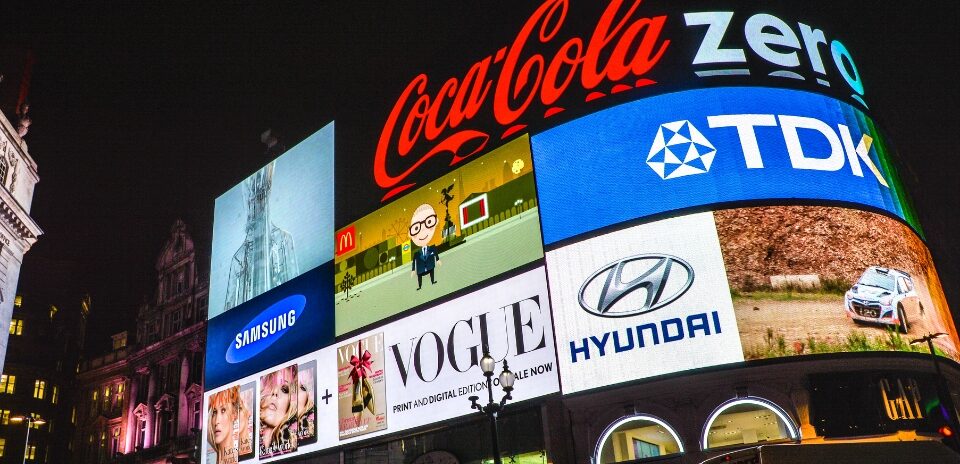
In 2026, there is more competition than ever before due to the rise of digital platforms, e-commerce, and AI. Companies will find it easier to launch new products or services. Consumers are exposed to hundreds of ads, social media posts, and other promotional materials every day, which makes it very difficult for companies to get any attention in an oversaturated marketplace. It will determine how your customers view and trust your company and whether they are loyal to it.
The rise of AI has made it easier than ever for brands to launch out of a bedroom. Various AI-powered websites can be used to build websites and apps for a relatively low price. With all of these tools to hand, the competition is fiercer than ever. Every day, consumers are exposed to hundreds of ads across social media and outdoors, along with other promotional activity, making it very difficult for brands to get any attention, especially in an oversaturated marketplace.
The value of building a strong brand identity
Brand identity is the DNA of a brand. It is made up of physical elements such as your logo, brand colours and typography as well as elements that aren’t visible such as your mission and vision, your values and principles. Your brand identity can be formulated into a set of Brand Guidelines which become your brand Bible.
When a brand identity is established that resonates with customers and is different from competitors in the marketplace, customers are far more likely to support brands that articulate their unique value proposition and consistently deliver on their promises in highly saturated markets. One brand that continues to thrive in a highly saturated market is the John Lewis Partnership. By rewarding their employees, which they call partners with excellent benefits and maintaining their reputation as a great place to work, these values in practice strengthen their brand identity. This works particularly well when compared with their competitors.
A brand’s tone of voice is imperative to connecting with the target audience; it must tie authenticity, personality and level of corporate culture together. For example, ASOS’ tone of voice is famously young, playful and fun. It matches their brand and speaks to their target audience wonderfully. In comparison, IBM uses a formal, direct and efficient tone of voice to communicate with their audience. Both examples, although very different, work well for their respective audiences.
Brand messaging
A brand’s mission and vision, values and principles will form a strong foundation for authentic brand messaging. Customers are much less likely to trust generic marketing messages and will be more likely to support companies that exhibit authenticity, transparency, and real value.
Storytelling is important in developing a successful brand. Customers tend to connect with businesses and brands that tell compelling stories about where they came from, their purpose, and their commitment to solving customer challenges. In a very competitive market with lots of brands selling similar products and services, giving customers a unique and authentic reason to invest in one brand over another will create customer loyalty and brand advocates.
Tropic Skincare is a great example of a brand with a strong story. Their founder Susie started Tropic Skincare aged 15, appeared on BBC’s The Apprentice, adopted an ambassador’s programme to distribute her products and has since appeared as a judge on BBC’s Dragon’s Den 2026. The brand is aware of its corporate social responsibility to give back to communities, and this is prominent in its messaging. Customers not only buy into the story but also the community the brand has created through the ambassadors programme.
Applying brand positioning strategies
Strong brand positioning is another aspect of developing a strong brand in saturated markets. Brand positioning how your customers perceive your brand in comparison to your competitors.
To survive in saturated markets in 2026, brands need to position themselves correctly. Brand positioning outlines how your customers perceive your brand in comparison to your competitors.
Brands can no longer rely solely on product features as a differentiating factor since competitors can replicate any innovative product feature quickly. Success in brand positioning will depend on customer experience, sustainable practices, expertise, convenience, quality, and specialist knowledge.
Positioning strategies can be value-based, quality-based, benefit, competitive, or niche depending on the company’s objectives and the target audience. Companies that express their unique positioning and communicate well with customers who have similar values and beliefs will ultimately succeed in gaining customers. Additionally, clearly defined positioning provides a consistent framework to ensure all marketing efforts align with the overall company position.
Patagonia have used value-based brand positioning to reach their target audience. Not only do they offer sustainable and durable products, but they also extend the lifecycle of their products through a free repair scheme. Patagonia has created an eco-conscious brand identity that has brought with it a loyal customer base.
The psychology of colour in branding
Branding consists of various components which can be recognised visually by consumers. As an integral part of building brand perception and creating consumer expectations, a solid visual identity will contain logos, fonts, colour palettes, imagery, and other design elements that represent the personality of your brand and the values you espouse. According to Adobe Express’s Colour Psychology in Marketing, colour affects a consumer’s feelings and behaviour: blue represents trust and dependability; red evokes excitement and a sense of urgency; green suggests health and sustainability; purple signifies creativity and luxury. However, businesses must also take cultural differences and target audience expectations into account when implementing colour psychology while branding. Coca-Cola has used its traditional red colour palette consistently throughout all of its global markets to create instant recognition of Coca-Cola worldwide.
In the rapidly evolving digital space, visual consistency is vital. Consumers will often see a brand through many different channels. Mural’s Ensure Consistent Brand Voice Across Touchpoints emphasises that a consistent brand across all touchpoints creates more familiarity and trust. The more synchronised your visual identity and messaging are, the better chance consumers will have to remember your brand and associate it positively.
When and how to successfully rebrand
Ultimately, successful companies recognise that brand identity is dynamic and needs to evolve with changing consumer expectations, technological advancements, and market changes. Companies are increasingly rebranding themselves to appeal to new customers and adapt to new trends or changes in the competitive environment. Rebranding Strategy: The Complete Guide to Brand Transformation states that an effective rebranding program consists of conducting a comprehensive brand audit; defining clear business objectives; researching customer perceptions; and carefully implementing the identified changes.
Rebranding should not only consist of changing visual aspects of brand identity, but also represent true business evolution and strategic direction. In heavily saturated markets, brands that continually monitor consumer feedback, capitalise on innovation, and adjust to new customer demands will be best positioned for long-term sustainable success.
By combining a solid positioning strategy, an authentic message, a consistent visual identity, and a flexible approach, businesses can develop a unique brand identity that will cut through a noisy marketplace, create customer loyalty, and facilitate growth. As competition continues to escalate, organisations that invest in building and maintaining a strong brand identity will be positioned to experience lasting relevance and competitive advantage