

There has been a lot of change in the digital landscape already this year. With AI, algorithm changes and new tools on the market to cope with all of these changes, in this article we break down new insights to help us navigate this ever-changing world with our top 7 social media trends.
1. What are micro-behaviours?
Micro-behaviours are something that has become a key signal to social media algorithms. It accounts for hover time per user per post. So, whilst a user might not be directly liking or following an account, if they are pausing or rewatching your video content or stopping to read the comments and zooming on your content, these are all signals that show interest in your content. This boosts your content in the algorithm positively.
2. Bye-bye rabbit holes. Hello snowballs.
According to Hootsuite, we’re entering a snowball era. Gone are the days of searching yourself into a rabbit hole based on finding funny videos of cats on YouTube. Now snowballs don’t require as much action. Instead, once an algorithm recognises your micro-behaviours of cat videos, they will serve them in multiple sources as you scroll. We’ve had a few conversations in the Your Marketing Team office about our snowballs, it’s mostly:
- Skincare – specifically collagen and cow fat…
- Travel – we’re partial to exploring new places!
- Fitness – Running, swimming, and ballet are some of our favourites
3. Audiences are comfortable with AI as a tool, not as a replacement for creativity
AI has transitioned from a chatbot to an assistant for everyday personal and work life. If you need a recipe for items in your fridge to make a meal, AI can help you. The point is we’ve become comfortable with it. But we’re not so comfortable with the idea of it taking over the world. We still want human insight and expertise, and this is something we need to translate into our brands, especially on social media.
Social media platforms have been recognised for using technology to label posts which use AI, this has even trickled down most recently into Mailchimp recognising AI content whilst building an email. Now brands are leaning into emphasising imperfections in their social posts to stand out in AI noise. Our audiences want to see the content has been produced by real people, and ‘typo marketing’ is one way of achieving this.
Typo marketing is on trend now more than ever. Whilst it’s not a new social strategy, it’s proven to work, raise awareness of your brand and get people talking about your campaign. Coors Light – A case of the Mondays is a perfect example of typo marketing done right. Their iconic campaign famously misspelt “refreshment” on a case of Coors Light and blamed it on a case of the Mondays…pretty clever.
4. Social content is adapting to search
Google redefined search when it launched the AI overview, bumping businesses down SERPs and making it harder for marketers to drive traffic to webpages.
In 2025, Google began indexing public video content from Instagram posts and profiles. The Short Videos tab on Google has been specifically designed to surface vertical social short-form video content from sources like YouTube Shorts, TikTok, and Facebook or Instagram Reels.
This has been phenomenal as brands can now be discovered from one Instagram reel on Google. For SMEs where the founder is also the marketing department, sales and fulfilment this is a game changer. If your strategy is a solid Instagram one, your discoverability is widened because of this change from Google.
5. LinkedIn has transitioned into its creative era
Traditionally, Instagram and Facebook have been all about community and creativity, and LinkedIn was a recruitment platform for businesses. But now in 2026, LinkedIn has announced it supports creativity.
The demographics of the platform have been changing for a long time, and now according to Statista, users aged 25-34 make up the largest group on LinkedIn. There are more users aged 18-24 than 35-54 which is an interesting stat.
The rise in influencers across LinkedIn has caused the demographic to shift. LinkedIn has transitioned from a recruitment platform to a platform with a Facebook feel for professionals. Whilst it’s necessary for brands to have a presence when their audience is active on LinkedIn, brands see the best results from LinkedIn when founders and employees reshare content from brand pages to personal accounts.
6. Nostalgia culture is driving brand loyalty
Generation X (Gen X) are typically defined as those born between 1965 and 1980. It is this generation who are responding positively to nostalgia.
The start of 2026 saw users across social platforms reflect on what 2016 looked like. It prompted brands to get involved too, displaying brand evolution and legacy.
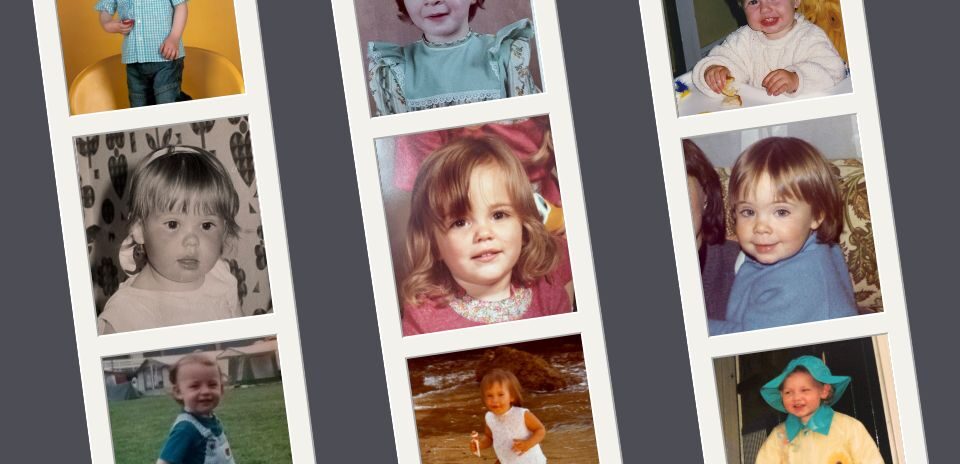
Pinterest has reported Gen X are rewatching classic TV shows, looking for 1970s childhood toys and searching for 80s luxury. We have been reclaiming memories of the past through publishing baby pictures with our job roles, that 2016 Pokémon summer, and the iconic dog Snapchat filter.
7. Full author names are showing up in Google’s AIO
Thought leadership within your social strategy is easy to explore if it’s relevant to your business. In the height of the AI storm, consuming content from human experts rather than bots that have scanned the web is sought after.
Thought leadership can be taken advantage of on any platform, wherever your audience lives, but it is, in some ways, easier to leverage on LinkedIn.
Although not a new feature, it is worth highlighting that LinkedIn articles are indexed on Google. So not only does producing these articles widen your reach through Google, but it also positions your brand as a thought leader.
A new update from Google means its AIO is now showing citations of sources with the author’s full name as well as the platform. Users can now click directly on the citation and land on your page. So wherever your content is being scraped by Google’s bots, it will appear as clickable for the user.
If you have the option to assign an author to your content, do it. It will boost your trust ratings amongst users. Although this change might be small, it’s mighty in its power.
So there you have it, 7 social media trends for 2026. Which ones will you be tapping into? I’m particularly excited about nostalgia and what this will look like over the next 6 months, and we’ve already seen some pretty great examples on Instagram recently.